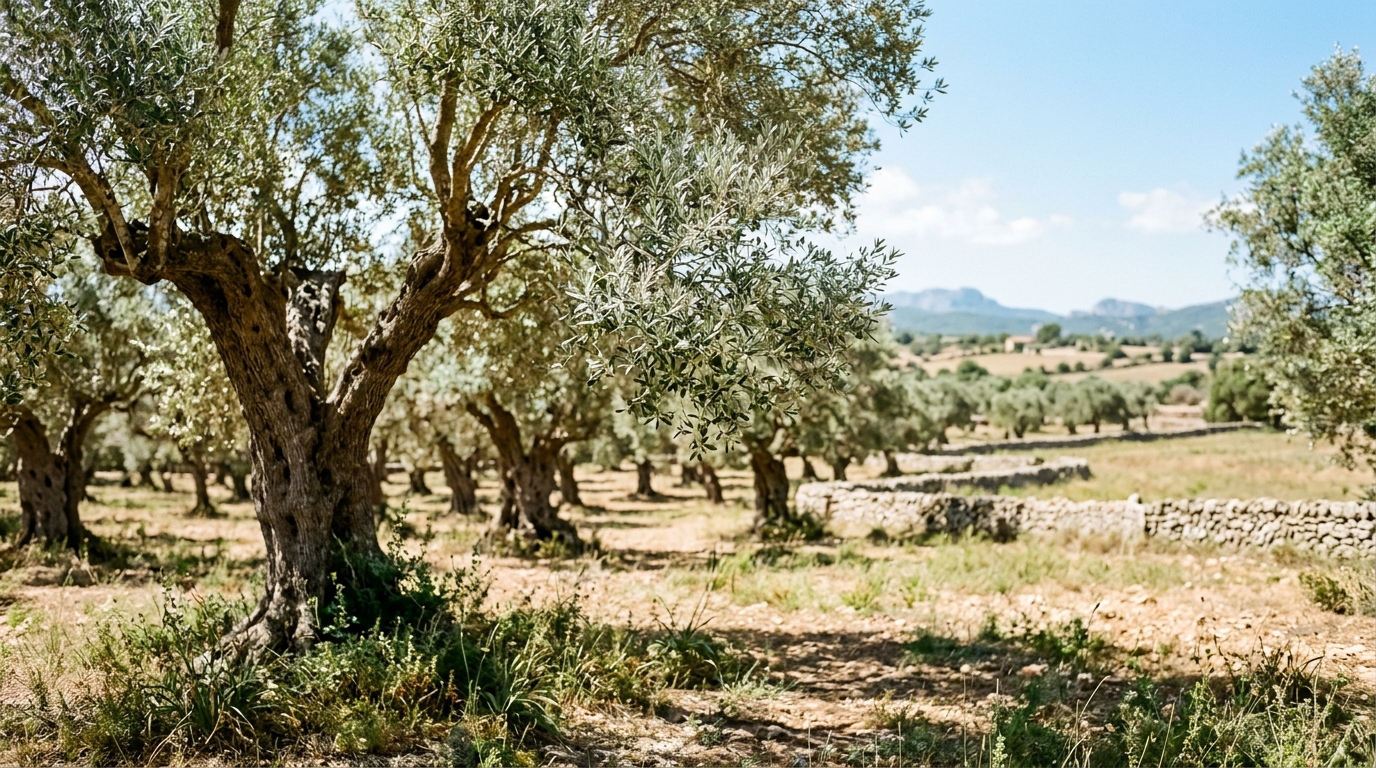
Are you looking to take home something more than a souvenir from Mallorca? Mallorcan crafts are one of the most authentic experiences you can have on the island: workshops where clay, molten glass and woven thread tell centuries of Mediterranean history. Three inland villages — Porreres, Algaida and Llucmajor — concentrate much of this living artisan heritage, and each one deserves a visit in its own right.
Contenidos / Contents
Why Mallorcan crafts deserve a detour
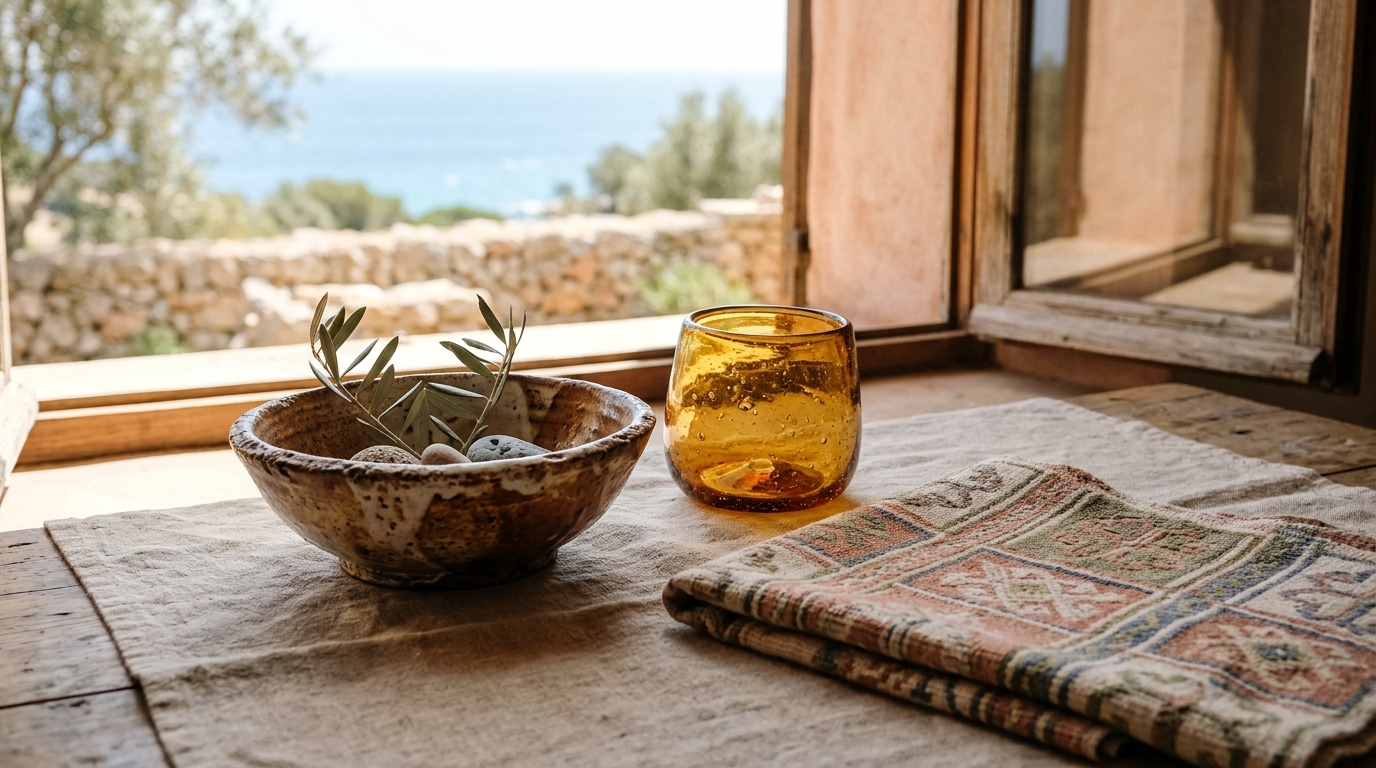
Mallorca is not just beaches and gastronomy. Its interior hides a network of artisan trades that survive thanks to masters who have chosen slow time over mass production. Buying directly from the craftsperson has an added value that no airport souvenir can match: you learn the story behind the piece, you see how it is made and you support a local economy. Each village also has its own character that distinguishes its artisan production from any industrialised imitation.
The three villages we cover in this guide are less than 45 minutes from Palma, making them a perfect day-trip route. You can combine them in a single circular journey through the Pla de Mallorca, the island’s central plain, where a landscape of carob trees and olive groves adds context to every workshop you visit.
Porreres: the ceramic tradition of the interior
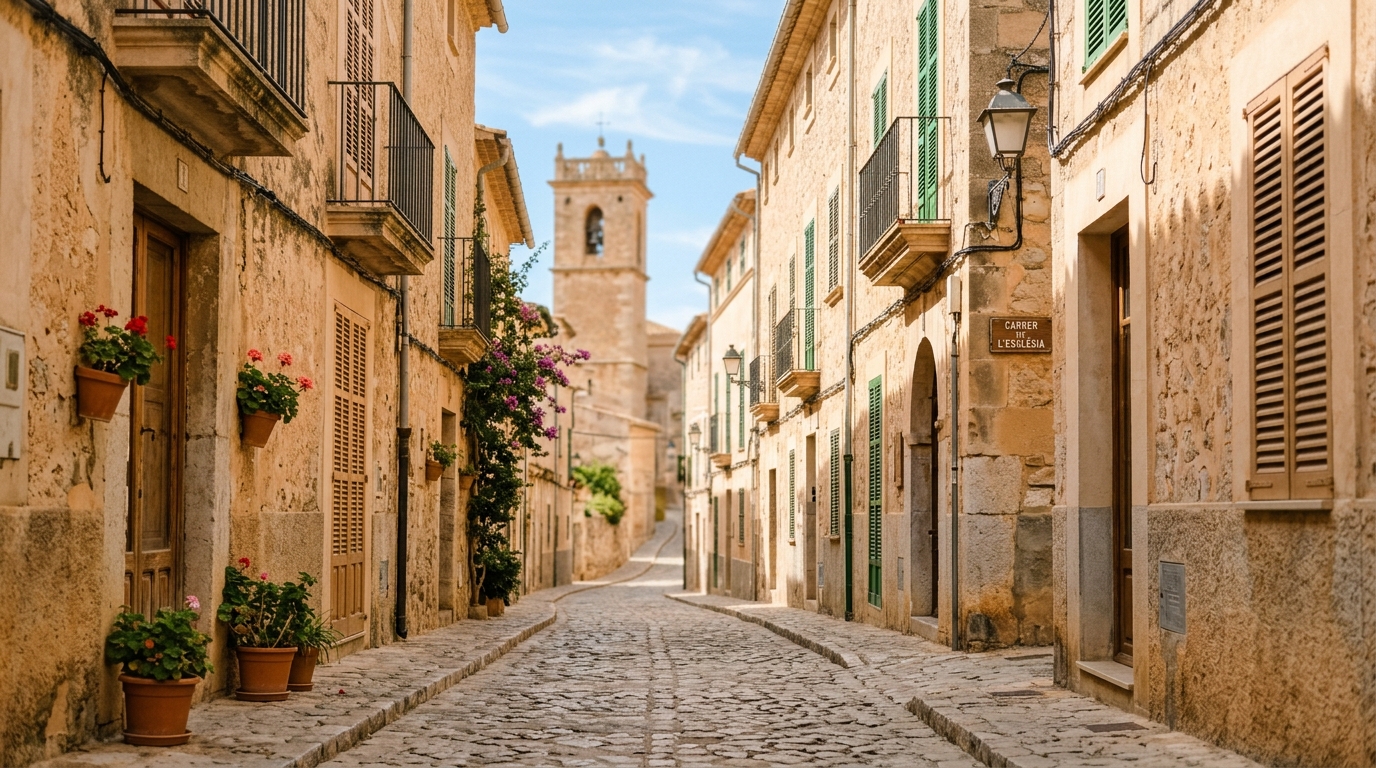
Porreres is a quiet village of cobbled streets and sandstone houses that holds a historical relationship with the island’s traditional pottery. Its position in the Pla, far from the coastal bustle, has allowed it to maintain an artisan rhythm that is felt in every corner of the weekly market.
Mallorcan ceramics: between clay and identity
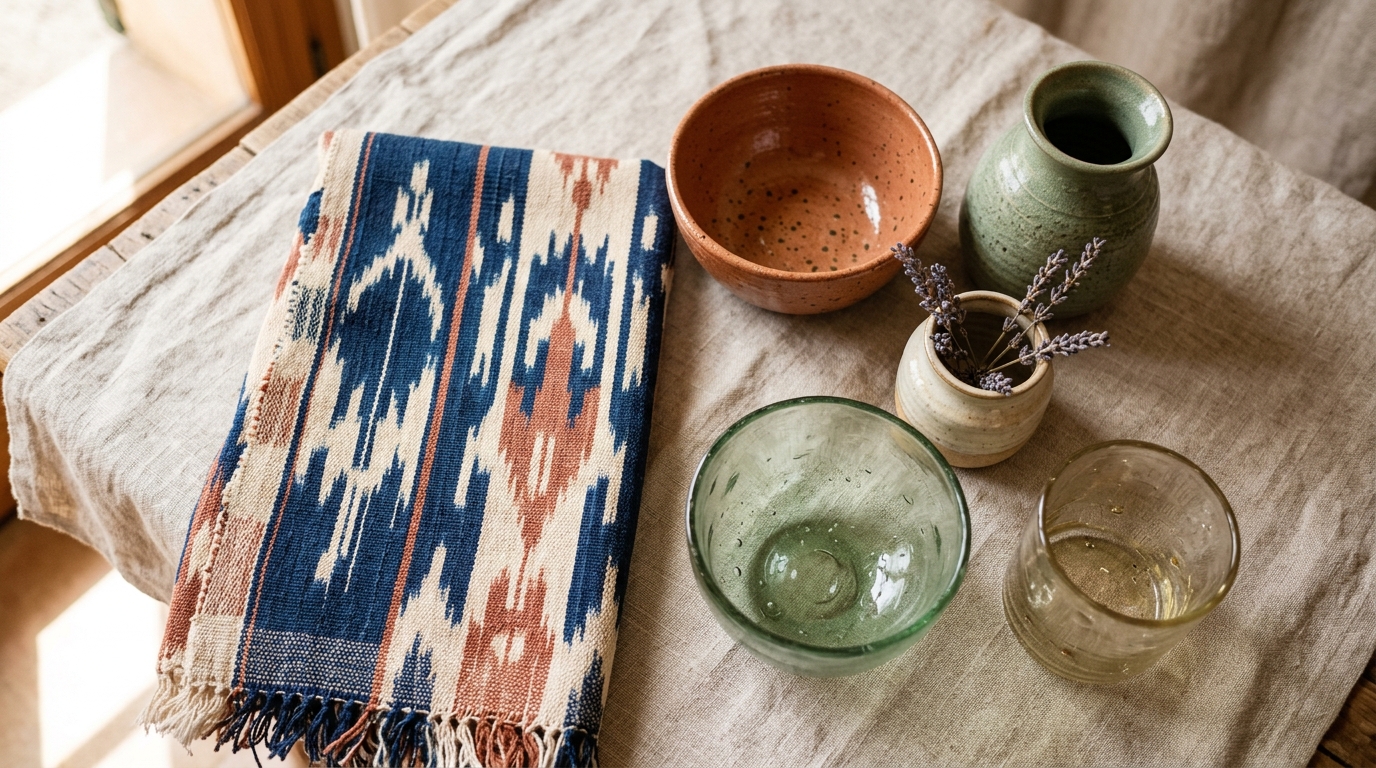
The ceramic tradition of Mallorca has deep roots in the central part of the island. Local clay, worked on a potter’s wheel and fired in a wood-burning kiln, produces pieces with an unmistakable visual warmth: ochre tones, blue glazes and floral motifs that refer directly to the Mediterranean. The most recognisable forms are the cántaros, the siurells — white clay figures with a whistle — and decorative plates with rural scenes. These pieces are perhaps the most representative example of Mallorcan artisan production.
The reference area for traditional pottery on the island is Pòrtol, very close to this artisan corridor. Ceràmica Terra Cuita is an emblematic artisan ceramics workshop in Pòrtol that, with more than 160 years of history, helps keep alive a craft deeply rooted in Mallorca’s history. The project continues under the direction of Pep Serra, master craftsman and heir to a ceramic tradition dating back to the mid-nineteenth century. Ceràmica Terra Cuita’s collections can be found at direct sales points in Palma, Santanyí, Pollença and Port de Pollença, as well as at the workshop itself in Pòrtol.
In Porreres, ceramic production coexists with the agricultural market held on Thursdays, where it is common to find functional pottery pieces alongside local garden produce. The market operates all year round, although in the low season (November–February) the presence of craftspeople may be lower. If you visit the village in high season, reserve the morning for the market and the afternoon for exploring the streets on foot.
What to buy and what to expect
The pieces most sought after by visitors are those for everyday use: oil bowls, water jugs and serving plates. The price reflects the real work behind each piece: a bowl can cost between 15 and 40 euros depending on size and finish, well below what you would pay for an equivalent piece in a design shop in Palma.
A practical tip: always ask whether the piece is signed or stamped by the workshop. Pieces bearing a certified craftsperson’s mark carry a guarantee of origin and are far more valuable as a memento or gift.
Algaida: blown glass with more than three centuries of history
If there is one place in Mallorca where Mallorcan crafts reach a universal dimension, it is Algaida. This small municipality in the centre of the island is home to Vidrios Gordiola, the oldest blown glass factory in Mallorca and one of the world’s references for this age-old craft.
Gordiola: three centuries of blown glass
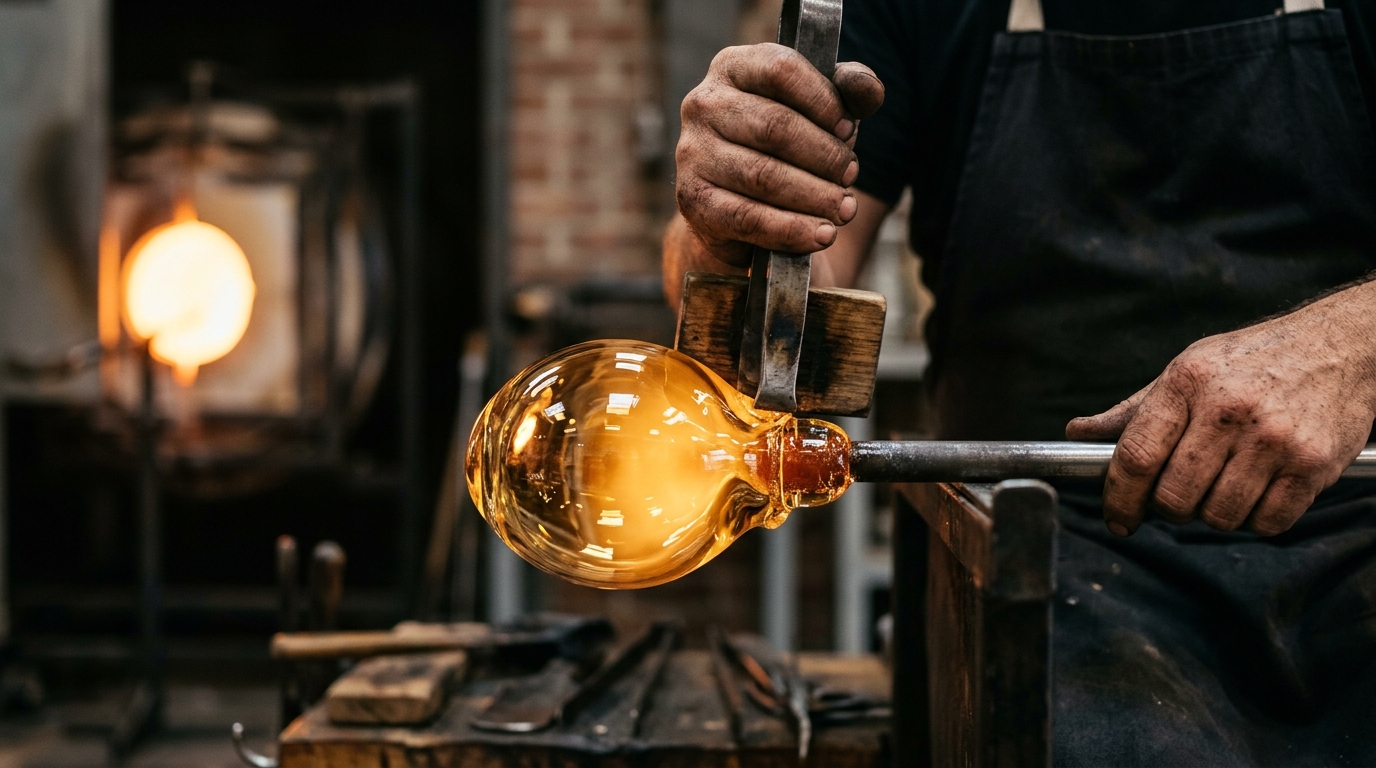
The history of Gordiola begins in 1719, when the construction of a furnace in Mallorca gave rise to a space for moulding and wheels — as recorded by Gremio World in its profile of Vidrierías Gordiola. More than three centuries later, the technique remains the same: an iron blowpipe, glass melted at over a thousand degrees and the precise breath of the master glassblower who shapes the piece in a matter of seconds.
In 1973, the factory moved to the outskirts of Algaida, where it now occupies a stately building inspired by Mallorcan Gothic architecture. The complex includes the active workshop with furnaces, a shop and the Glass Museum, with a collection of pieces from different glassmaking traditions around the world. It is one of the most complete museums dedicated to traditional crafts in the Balearic Islands.
Gordiola’s blown glass is one of the oldest and most recognised glassmaking traditions in Spain, with more than three centuries of continuity. The house stands alongside the Real Fábrica de Cristales de La Granja as one of the historical references of the craft in the country.
The workshop visit: watching glass come to life in real time
The heart of Gordiola is its workshop, open to the public, where glassblowers work in front of visitors just a few metres away. Jugs, glasses and decorative pieces take shape before your eyes, often with several craftspeople collaborating on a single piece. The glowing red-hot mass of glass and the moulding process are a spectacle equally fascinating for adults and children. Few Mallorcan artisan production experiences are as immediate and visually striking as this one.
The house’s signature colours — blue, green, turquoise, ruby red, topaz and amethyst — are born from the choice of specific mineral materials added to the molten glass. Each colour has its own formula, passed down from generation to generation.
Practical information: Gordiola is on the Ctra. Palma-Manacor, km 19, in Algaida. It has its own car park. The workshop visit is free; the museum on the upper floor has a separate entrance fee. Confirm updated opening hours on the official Gordiola website before making the trip.
Llucmajor: espadrilles, textiles and the artisan soul of the south
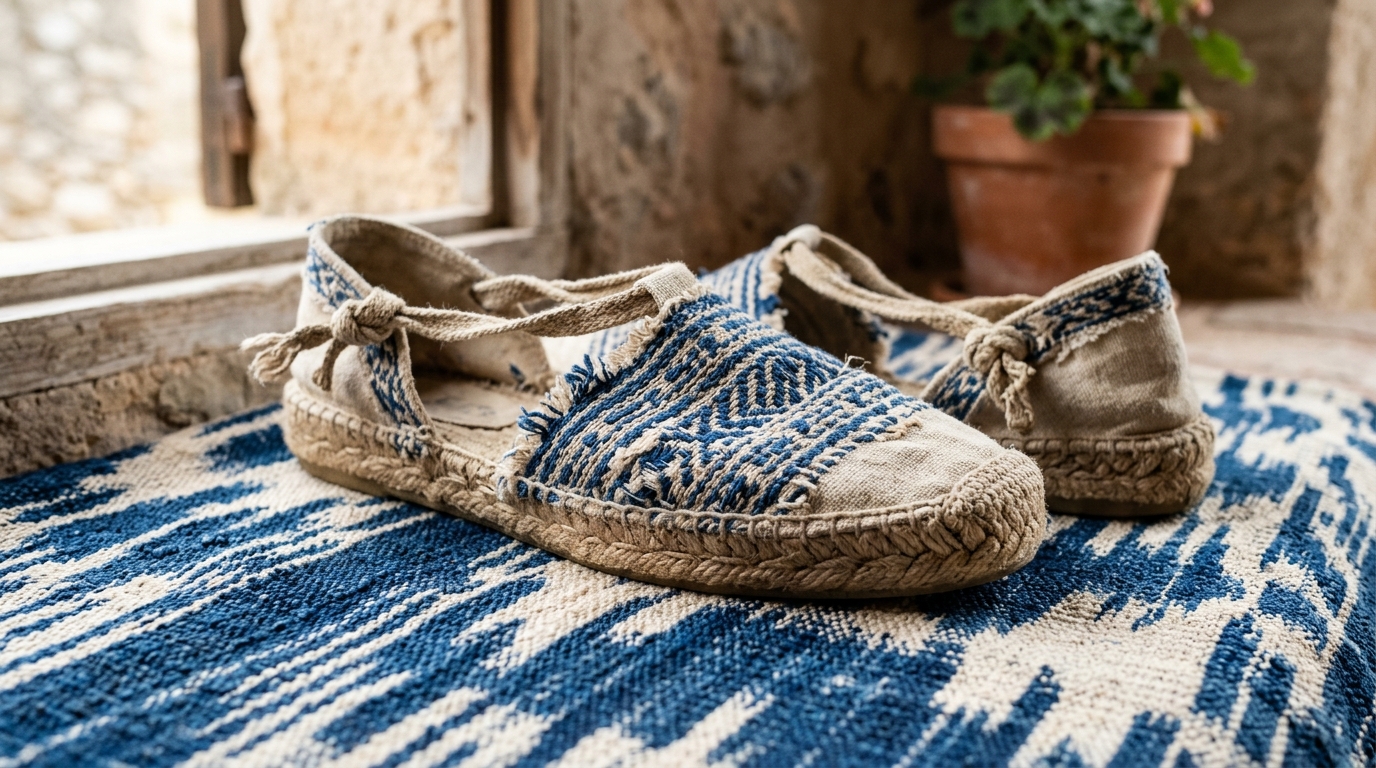
Llucmajor is the capital of the largest municipality in Mallorca and one of the villages with the strongest artisan roots in the south of the island. Its history as a production centre for espardenyes — Mallorcan espadrilles — has given it its own identity within the map of Balearic artisan heritage.
Espardenyes: a craft with centuries of history
The artisan manufacture of espadrilles in Llucmajor has roots stretching back several centuries. The braided esparto sole and the fabric upper are the defining elements of this traditional footwear, which today coexists with contemporary versions by Mallorcan designers who have reinterpreted the classic form without losing its essence. Espardenyes are one of the most popular examples of traditional crafts that visitors take home from Mallorca.
At the Llucmajor market, held on Wednesdays and Sundays (with a broader presence of craftspeople from April to October), it is common to find local artisans selling pieces of their own making. The difference between a handmade and an industrial espadrille is immediately apparent to the touch: hand-braided esparto has a firmness and texture that no synthetic material can imitate.
For a specific workshop reference, look in the historic centre of Llucmajor for shops displaying the artisanship seal of the Illes Balears in the window: it is the official guarantee that the piece has been made by hand on the islands. Later in this guide we explain how to identify it.
Roba de llengües: the Mallorcan ikat enjoying a new golden age
Roba de llengües literally means “fabric of tongues” in Mallorcan. The name refers to the patterns that resemble tongues of fire; its origin is oriental ikat, a technique in which the thread is dyed before being woven. This technique reached Europe via the Silk Road and, with the arrival of the French Revolution, many craftspeople took refuge in Mallorca, bringing this fashion with them.
Mallorcan ikat is a versatile and durable fabric that has the same pattern on both sides. From the eighteenth century onwards, traces of Mallorcan silk tongues can be found upholstering furniture or as wall coverings in the great manor houses of Mallorca. Although it went through a period of disuse, roba de llengües is now enjoying a new golden age, thanks to the efforts of lifelong craftspeople who have managed to give it a fresh feel.
In Llucmajor and its surroundings you can find pieces of this fabric in shops selling Mallorcan artisan production in the historic centre: tablecloths, cushions, bags and accessories that combine traditional design with contemporary uses. It is one of the best gifts you can take from Mallorca, especially if you are looking for something with history and its own character.
Where to see Mallorcan ikat at source: workshops open to visitors
The main active workshops producing roba de llengües are in the north and centre of the island, and they deserve a specific visit if textiles are your passion. Teixits Vicens, based in Pollença, is a family business that has been producing textiles since 1854, specialising in roba de llengües, and combines traditional weaving techniques with design innovation. From fabrics to accessories and furniture, it is even possible to book a workshop visit. Teixits Vicens is one of only three manufacturers in Europe that continue to produce fabric with the traditional “llengües” pattern.
The Vicens fabric is composed of natural fibres, 70% cotton and 30% linen, with a width of 1.50 metres. Opening hours for visits are Monday to Friday from 10:00 to 20:00 and Saturdays from 10:00 to 14:00; the workshop is at Rotonda Can Berenguer, in Pollença. To arrange a guided visit, write to info@teixitsvicens.com.
If you want to learn about the manufacturing process, you can visit one of the workshops that still weave these fabrics: Teixits Vicens in Pollença, Bujosa in Santa Maria del Camí or Teixits Riera in Lloseta. Artesania Textil Bujosa, in Santa Maria del Camí, has been producing textiles for three generations since 1949. Any of the three workshops sells with a guarantee of origin and accepts personalised orders.
How to get to the route without your own car
The artisan route through the Pla de Mallorca is perfectly feasible by public transport, although it requires some planning. The TIB (Transport de les Illes Balears) network connects Palma with the three villages on the route.
- Algaida: TIB line 403 connects Porreres with Palma via Montuïri and Algaida. From the Estació Intermodal in Palma (Plaça d’Espanya), the journey to Algaida takes approximately 30 minutes. Confirm updated timetables at tib.org before setting off.
- Llucmajor: TIB line 501 connects Manacor, Felanitx, Campos, Llucmajor and Palma. It is the most direct option from the capital.
- Porreres: The connection between Porreres and Llucmajor is possible by changing at Campos, between lines 403 and 501.
If you prefer not to depend on bus timetables, car hire remains the most flexible option: the distance between Algaida and Llucmajor is around 15 km, and from Llucmajor to Porreres there are another 20 km along secondary roads with little traffic. There are also organised tours from Palma that include the artisan villages of the interior; look for them on tourist activity portals or at the Palma tourist office.
How to organise the artisan route through the Pla de Mallorca
The three villages form a natural triangle in the centre-south of the island that you can cover in a full day. The entire journey is an immersion in the traditional crafts of the Pla de Mallorca and in the inland landscape that frames them.
Suggested itinerary
Start the morning in Algaida to see the Gordiola workshop in full swing. Allow at least an hour and a half for the complex: workshop, museum and shop. Then head to Llucmajor for lunch — the village has several restaurants serving traditional Mallorcan cuisine — and use the afternoon to explore the market and the artisan heritage shops in the centre.
End the day in Porreres, where the pace is even more relaxed and the streets of the historic quarter invite you to stroll without hurry. If you happen to be there on a Thursday market day, you will find ceramics alongside local seasonal produce. Combining all three villages in a single day offers a complete picture of Mallorcan crafts that no shop in Palma can match.
Combine it with a visit to Finca Treurer
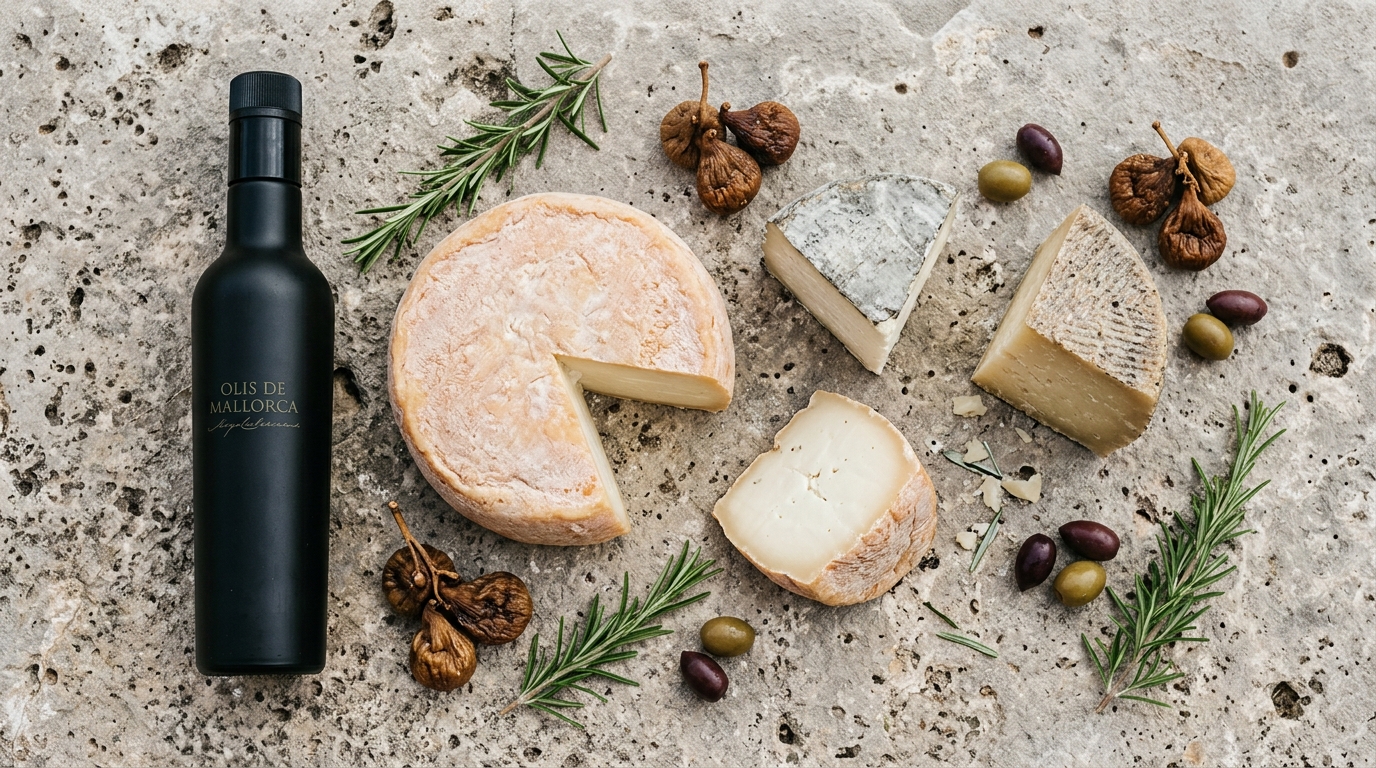
A few kilometres from Porreres, in the very heart of the Pla, lies Finca Treurer, a producer of extra virgin olive oil recognised for its quality. The estate offers visits, tastings and gastronomic experiences that perfectly complement a day dedicated to discovering the best of the island’s traditional crafts and production.
Just like a Mallorcan ceramic bowl or a piece of blown glass from Gordiola, Treurer extra virgin olive oil is the result of a craft that prioritises quality over quantity. Taking home a bottle is another form of Mallorcan artisan production that fits in your suitcase.
What makes Mallorcan crafts special
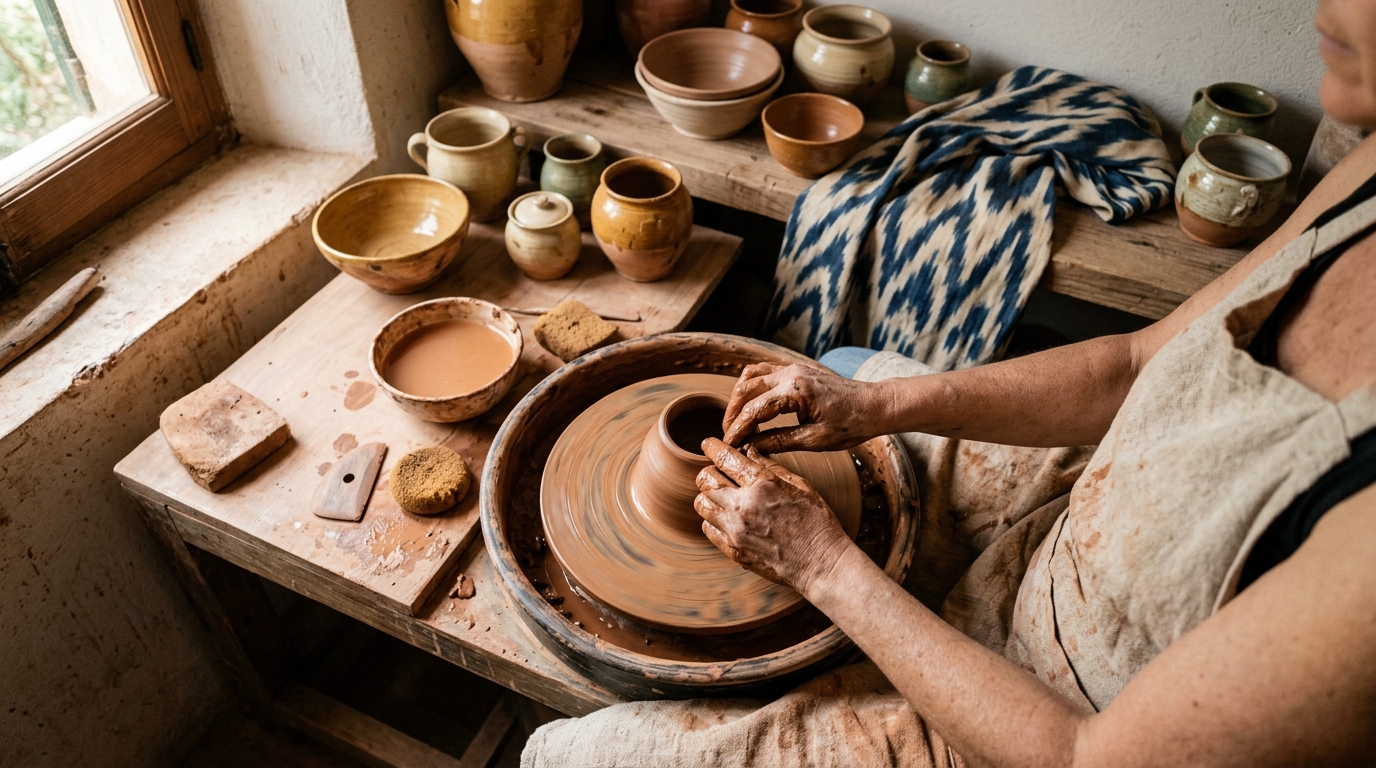
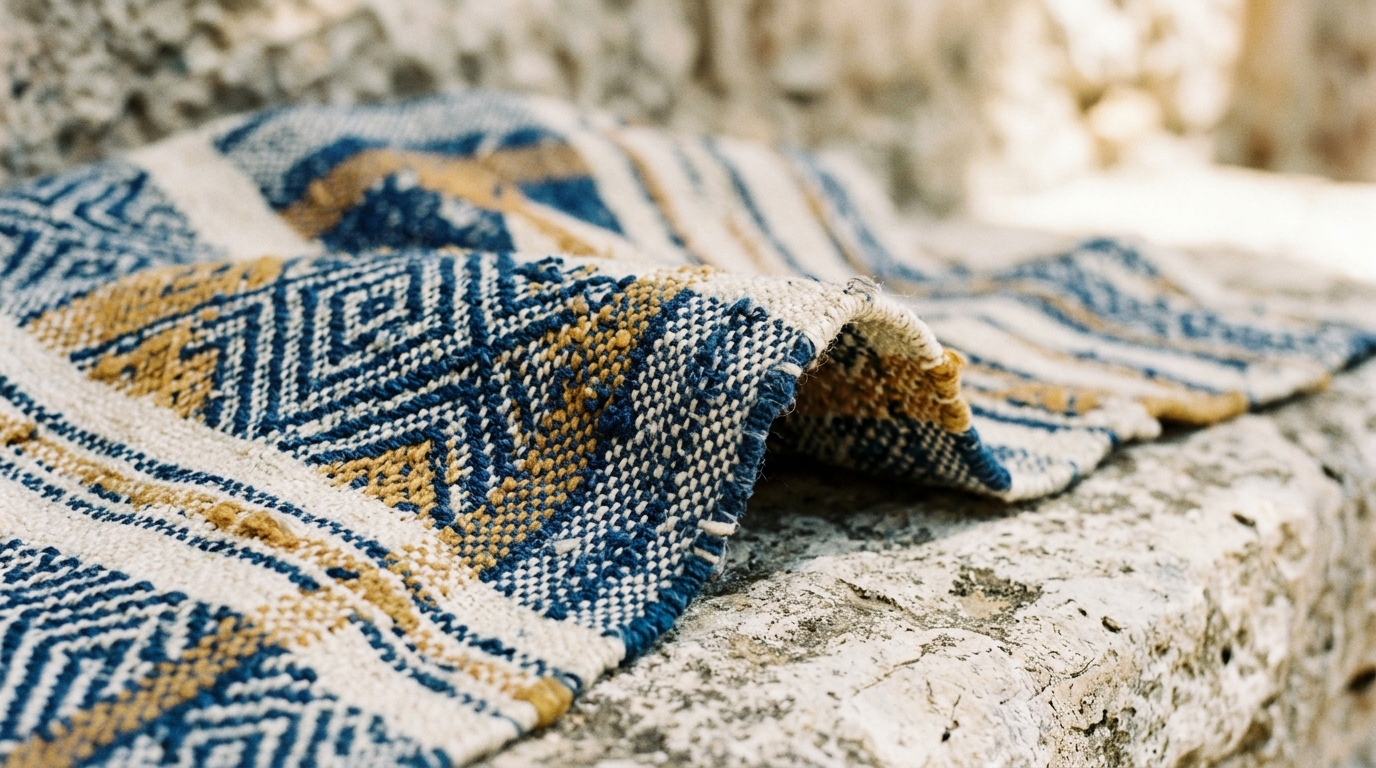
Mallorcan crafts are not window-dressing folklore. They are an ecosystem of living trades where every piece has a person, a technique and a story behind it. The difference from industrial production is not only aesthetic: it is philosophical. A ceramic bowl thrown on a potter’s wheel, a blown glass jug or a metre of Mallorcan ikat woven on a loom are objects that improve with time and that say something about the place where they were born.
Mallorca has been fortunate to have preserved this artisan heritage thanks to families and master craftspeople who chose not to yield to the pressure of mass production. Visiting them, buying directly from them and telling their story is the best way to ensure they are still here the next time you return.
Where to buy authentic Mallorcan crafts: the official seal
Beyond the three villages on this route, Mallorcan artisan production has sales points across the island. Palma has specialist shops in the Santa Catalina neighbourhood and in the Born, where you can find certified pieces.
For traditional ceramics and pottery, the weekly markets in the inland villages are the best option: more competitive prices, direct contact with the craftsperson and the possibility of ordering personalised pieces. For blown glass, Gordiola in Algaida is the undisputed reference. For textiles, look for shops selling roba de llengües with a label of origin and, if you can, visit one of the active workshops in Pollença, Santa Maria del Camí or Lloseta directly.
The artisanship seal of the Illes Balears is the official guarantee that a piece has been made by hand on the islands. You can consult the directory of certified craftspeople on the Govern Balear portal (caib.es). Always ask for it when you buy: it protects the craftsperson and ensures the authenticity of what you take home.
Frequently asked questions about Mallorcan crafts
Frequently asked questions about local crafts in Mallorca
What is the best time of year to visit the artisan workshops in Mallorca?
The most active season is from April to October, when most workshops have full opening hours and the weekly village markets have a greater presence of craftspeople. In winter, some local craft workshops reduce their hours, so it is worth calling ahead before visiting.
Can you visit the Gordiola workshop in Algaida without a prior booking?
Yes, the Gordiola workshop is open to the public without the need for a reservation. You can watch the glassblowers working freely. The visit to the museum on the upper floor has a separate entrance fee. It is recommended to call ahead to confirm updated opening hours before making the trip.